

November 10, 2026
yajante sāttvikā devān yakṣarakṣāṁsi rājasāḥ
pretān bhūtagaṇaṁś cā ’nye yajante tāmasā janāḥ (XVII-4)
XVII/4. The sāttvika or the pure men worship the gods;
the rājasā or the passionate worship the yaksā and the rakṣasā;
the others (the tāmasā or the deluded people) worship the ghosts
and the hosts of the nature-spirits.
Swamiji's Commentary
We should not commit the grievous error here of considering that the tāmasā people deliberately choose to worship ghosts! Not at all. That is their idea of God.
Even the ‘gods’ are the reflections of different aspects of the supreme being in the medium of māyā and therefore not really real. Consequently, they are classifiable into sāttvika, rājasā and tāmasā. The good or the ‘benevolent’ gods are sāttvika; wrathful and emotional gods are rājasā; and the semi-divine beings of malevolent nature are tāmasā. They are not essentially different from him, the supreme being; for, let us not forget for a single moment that naught exists but he. Lord Krishna himself has pointed out that even they who worship these other gods worship him only, though the wrong way. They are the light of the divine looked at through different filters.
The word ‘worship’ is important here. No one worships any but God. The aspect of God ‘visible’ to the individual is that aspect which he is capable of perceiving. This capability is determined by his innate nature or the quality which is predominant in him.
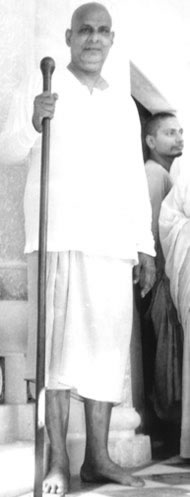
A clear understanding of this doctrine enables us to grow. The child does not grow into an adult merely by throwing the doll away. The subtle inner transformation (growth) continues steadily. Swami Sivananda used to say very often: “I have sown the seed, it will germinate in its own time. Even if the man does whatever he likes, it will work.” Hence, Krishna warns us: “Do not disturb anyone’s faith, but help him grow inwardly.”
At each stage, it is God who is worshipped and who accepts that worship if it is offered in full faith.